- D2C Caffeine
- Posts
- “Customer Listening” — Why (most 🤷♀️) Indian brands suck at it.
“Customer Listening” — Why (most 🤷♀️) Indian brands suck at it.
Indian D2C customers are not subtle - especially during Holidays!

Pragma (formerly Logisy)
December 26, 2025

A regular dose of D2C-centric resources & tools for Growing Brands, Startups & Entrepreneurs.
“Customer Listening” — Why (most 🤷♀️) Indian brands suck at it.
“Your Customer Wanted to Tell You Something…”
(Spoiler: They Did — You Just Weren’t Listening)
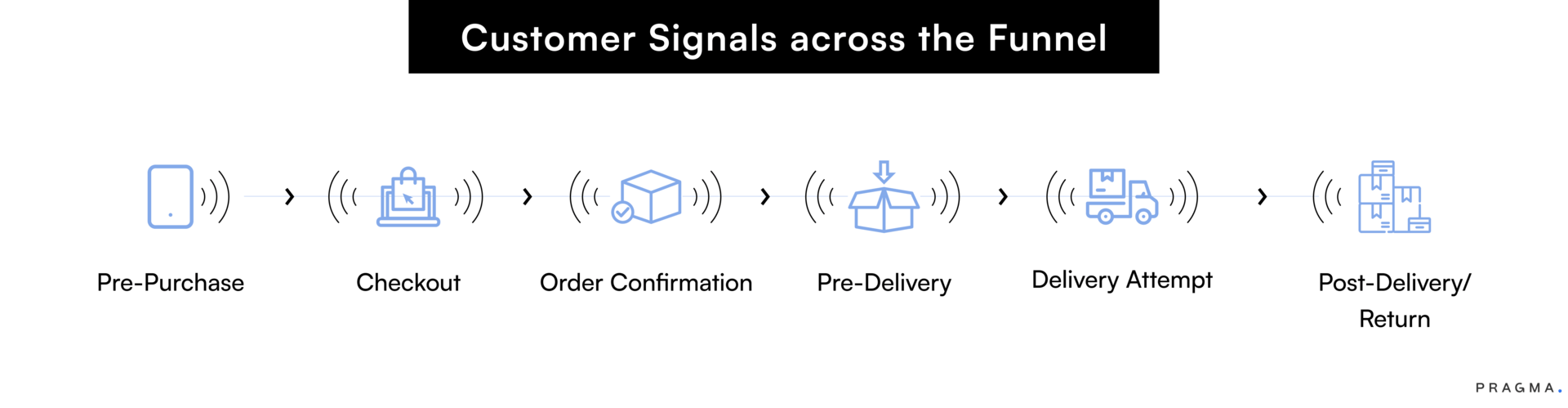
Indian D2C customers are not subtle.
They abandon carts.
They refuse COD orders.
They don’t answer delivery calls.
They raise return requests at 11:47 pm.
They vanish during NDRs.
And then… brands say:

They’re not.
They’re extremely consistent — if you know where to listen.
The real issue in Indian eCommerce is not lack of feedback.
It’s selective deafness.
Most brands listen only at the end:
Support tickets
Reviews
NPS surveys
By then, the revenue damage is already done.
High-performing Indian D2C brands do something very different.
They practise Customer Listening as an operational discipline, not a CX ritual.
You’re just listening at the wrong places — or worse, on the wrong dashboards.
Let’s fix that…
Listening Stage 1: Pre-Purchase
Listening Before the Wallet Opens
Before a customer clicks Buy Now, they’re already telling you things:
They’re switching between UPI and COD
They’re hesitating on address fields
They’re dropping off at payment
They’re bouncing on delivery promises
This isn’t “behavioural psychology”.
This is checkout telemetry.
What customers are actually saying:
“Your checkout is too slow.”
“I don’t trust this delivery promise.”
“Why is COD suddenly disabled?”
“Why am I entering my address like it’s 2012?”
What Pragma listens to here:
Checkout drop-offs by payment mode
COD enablement logic by pincode
Address validation failures
ROAS leakage due to checkout friction
With 1Checkout, this is where:
Payment intent failures are visible in real time
Pincode-level COD logic adapts dynamically
Address intelligence reduces fake/failed deliveries
Media spend doesn’t die at the final step

Most brands wait until the order fails.
Smart brands prevent the failure from existing.
Listening Stage 2: Post-Order, Pre-Delivery
Where Customers Start Losing Patience
This is the most ignored listening layer in Indian D2C.
Once the order is placed, brands relax.
Customers don’t.
This is where:
Delivery timelines slip
NDRs start piling up
Couriers go silent
Support tickets explode
What customers are actually saying:
“Why hasn’t my order moved?”
“Why did the courier not call?”
“Why is delivery failing without reason?”
“Why am I finding this out on WhatsApp, not from you?”
This isn’t a CX problem.
It’s an NDR + SLA visibility problem.
Pincode | Courier A NDR % | Courier B NDR % | Insight |
560001 | 12% | 4% | Possible doorstep issues |
110001 | 9% | 15% | Courier B performance drift |
400001 | 6% | 6% | Normal variance |
What Pragma listens to here:
NDR monitoring across couriers
SLA breaches by lane, partner, warehouse
False delivery attempts
Delayed first-mile handovers
With ShipAxis + JMS (Journey Management System) + Omnichannel CRM, brands get:
A single dashboard for shipment health
Real-time alerts for stuck or risky orders
Proactive customer communication (before anger sets in)
Courier accountability backed by data, not arguments
Customers don’t want apologies.
They want predictability.
Listening here prevents:
RTOs
Support overload
Social media meltdowns
“Never ordering again” moments
Listening Stage 3: Delivery & NDR Moments
The Most Honest Customer Feedback You’ll Ever Get
If a customer refuses delivery, they’ve given you feedback.
If an NDR reason repeats across pincodes, that’s feedback too.
If COD orders fail disproportionately in certain zones — congratulations, that’s a focus group you didn’t pay for.
What customers are actually saying:
“I wasn’t available because delivery timing was random.”
“The courier didn’t call.”
“I lost trust midway.”
“I changed my mind because delivery felt uncertain.”
What Pragma listens to here:
RTO patterns by SKU, pincode, courier
Repeat NDR reasons
COD risk signals
Agent-level performance issues
The Pragma RTO Suite turns this noise into:
Actionable suppression logic
Pincode-level COD intelligence
Courier re-routing
Revenue loss prevention
This is not post-mortem analysis.
This is live damage control.
Example:
One of our D2C fashion brands observed:
Saturday peak orders
40% RTO spike on COD
Most “Reason Given” — “Not at home”
Upon digging:
Delivery windows weren’t communicated
Courier didn’t call beforehand
Solution?
WhatsApp delivery alerts
NDR-triggered follow-ups
Learning:
Listening means correlating:
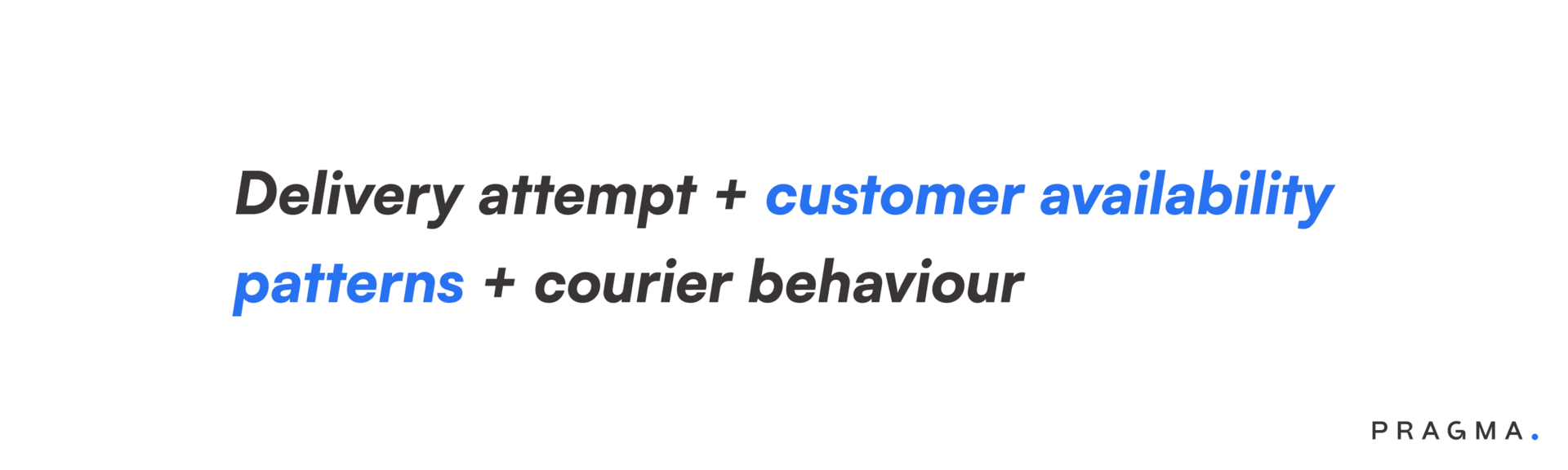
👉 Omnichannel CRM + WhatsApp Business Suite = automated delivery notifications + pre-arrival calls.
Listening Stage 4: Post-Delivery
Where Brands Usually Stop Listening (Big Mistake)
Most brands think the journey ends at “Delivered”.
Customers disagree.
Post-delivery is where:
Returns happen
Refund anxiety begins
Trust is either cemented or destroyed
What customers are actually saying:
“Why is return pickup delayed?”
“Why is my refund stuck?”
“Why am I repeating my issue to three teams?”
“Why does no one know the status?”
This is where bad systems quietly burn brand equity.
Signal | What It Indicates/Means |
Delayed Return Pickup | Process friction |
Refund Pending > 72 hrs | Trust erosion |
Repeat complaints for same SKU | Product quality alert |
Return initiation reason | Product or expectation gap |
SLA breach | Trust erosion |
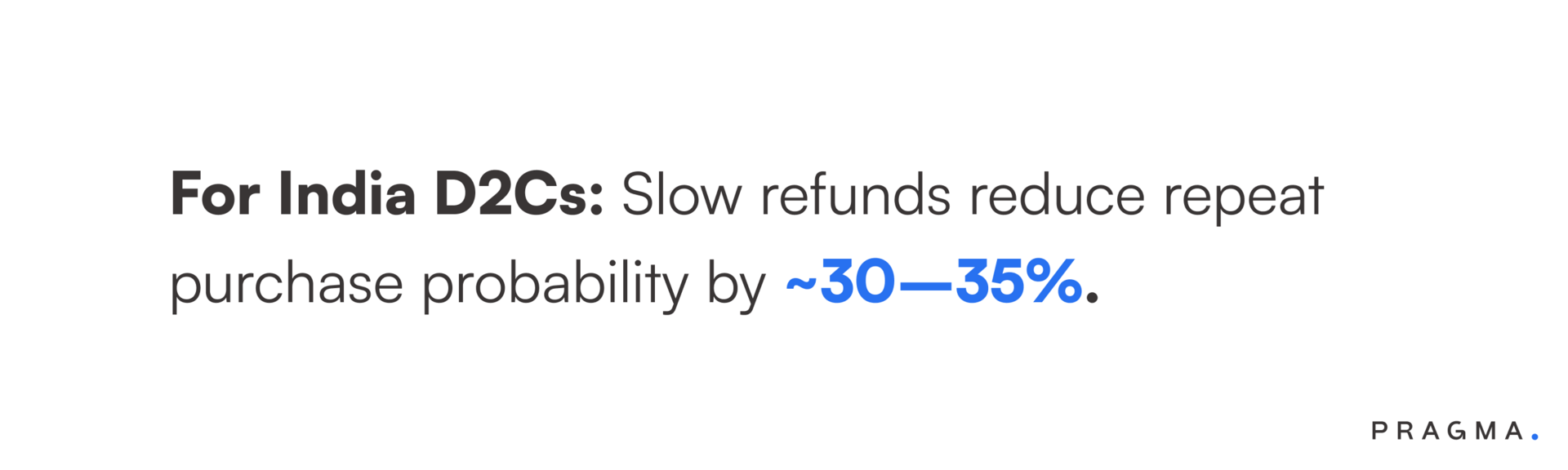
What Pragma listens to here:
Return initiation reasons
Pickup SLA breaches
QC delays at warehouse
Refund cycle time leakage
With Pragma RMS, brands get:
Rule-based return approvals
Automated QC workflows
Warehouse-level monitoring
Finance-ready audit trails
Refund visibility without manual chasing
Returns are not a cost centre.
Unmanaged returns are.
Listening Stage 5: Continuous Listening (The Part Humans Can’t Do Alone)
At scale, no ops team can manually connect all these dots.
People Can’t Do This Alone
Once you cross scale:
Multiple warehouses
Multiple couriers
Thousands of daily orders
Manual analysis collapses.
This is where Pragma Genie (AI Copilot) comes in.
Not to write poetry.
To answer questions like:
“Why did ROAS drop despite stable traffic?”
“Which courier is silently increasing RTO this week?”
“Which SKU is causing disproportionate returns?”
“Which warehouse is breaching SLAs today?”
What Genie (AI Copilot) lets you access
Checkout behaviour
Shipment health
NDR trends
Returns & refunds
SLA breaches
ROAS fluctuations
…and translates noise into decisions.

Pragma’s Customer Listening Stack (End-to-End)
Journey Stage | |
Pre-purchase | 1Checkout + Omnichannel CRM + JMS (Journey Management System) |
Order monitoring | ShipAxis + RTO Suite |
Customer comms | Omnichannel CRM + WhatsApp Business Suite + JMS |
Returns & refunds | RMS (Return Management System) + RTO Suite |
Intelligence layer | RTO Suite + Pragma Genie (AI Copilot) |
SLA & warehouse | ShipAxis + Real-time Dashboard |
One journey.
One listening system.
One D2C Operating System - Pragma.
The Real Problem Isn’t Customer Silence
It’s Brand’s (selective) Deafness.
Indian D2C customers are loud.
They complain.
They abandon.
They refuse.
They return.
They ghost.
They’re not subtle.
If your brand still feels “surprised” by RTOs, refunds, or churn — you’re not lacking customers.
You’re lacking listening infrastructure.
TL;DR
Customers speak through behaviour, not surveys.
Listen before checkout fails (payment switches, COD drops, address friction).
Listen before delivery fails (NDRs, courier SLAs, shipment delays).
Listen after delivery (returns, refund speed, repeat issues).
Connect all signals in one system — or revenue keeps leaking quietly.
That’s the end of our talk on “Customer Listening — Why (most 🤷♀️) Indian brands suck at it.”...
☕ See you on the next coffee date!

How did you like our Newsletter? What topic would you like us to cover next?
Reply and let us know! 😊