- D2C Caffeine
- Posts
- Lead generation is your problem?
Lead generation is your problem?
A breakdown of where great leads are lost...

Pragma (formerly Logisy)
April 17, 2026

 |  |

A regular dose of D2C-centric resources & tools for Growing Brands, Startups & Entrepreneurs.
Lead generation is your problem?
We spoke about lead quality in the last newsletter (If you missed it, it’s here: Issue - 86)
This builds on that, but moves one layer deeper.
→ it’s on Lead Generation / Lead Capture / Lead Retention.
Because even if you fix quality, a more fundamental issue remains:
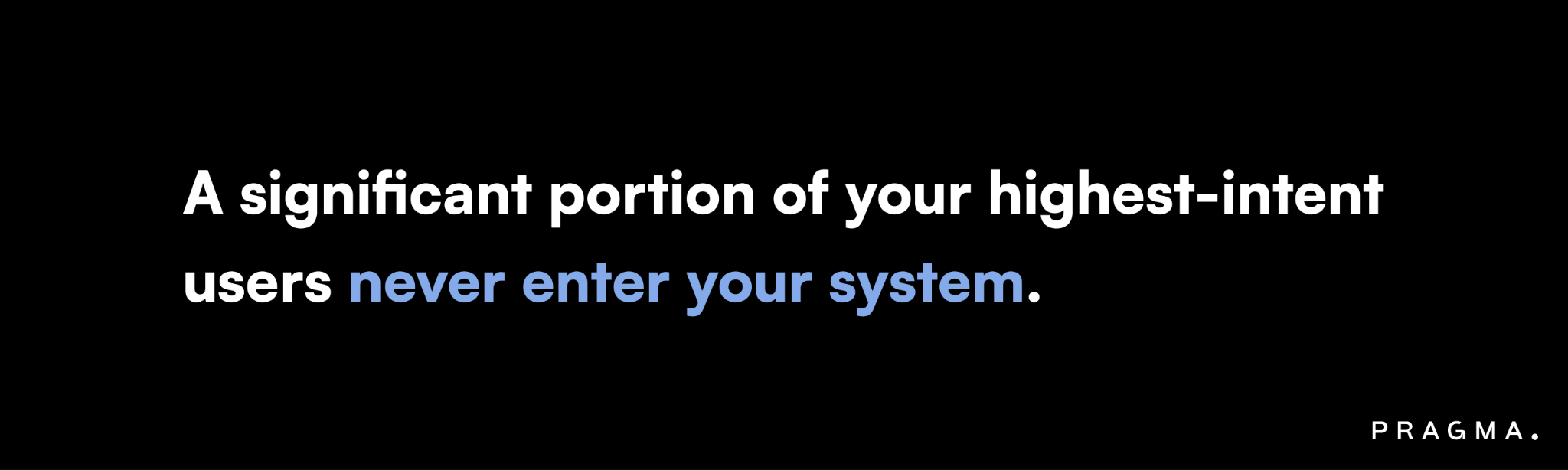
Not because they are low intent.
But because your stack is not designed to capture them when intent peaks.
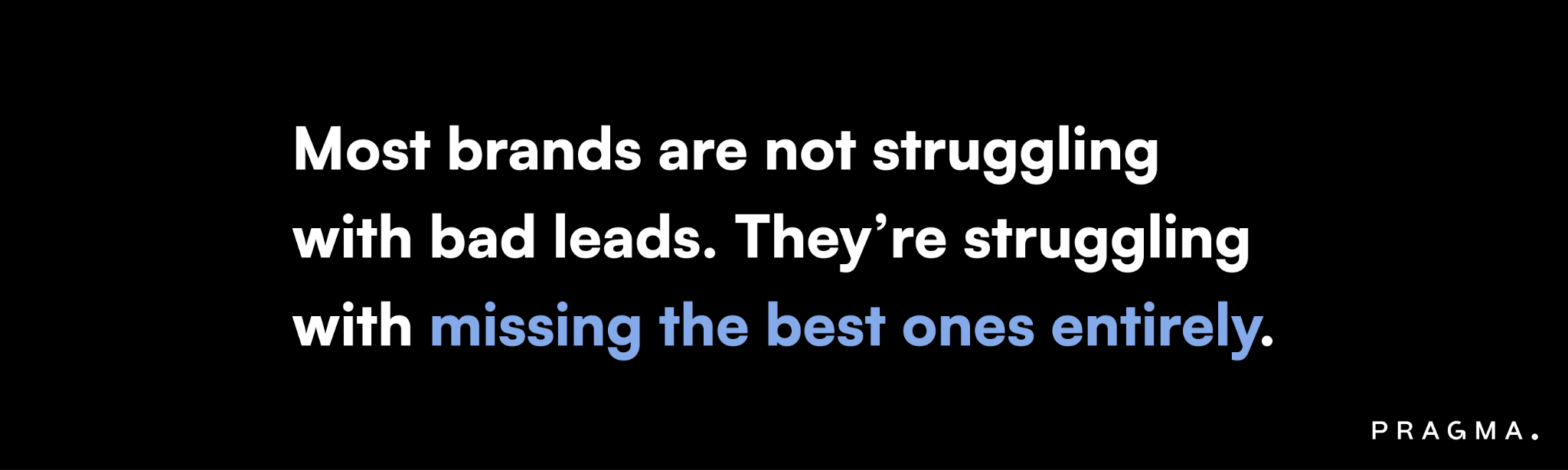
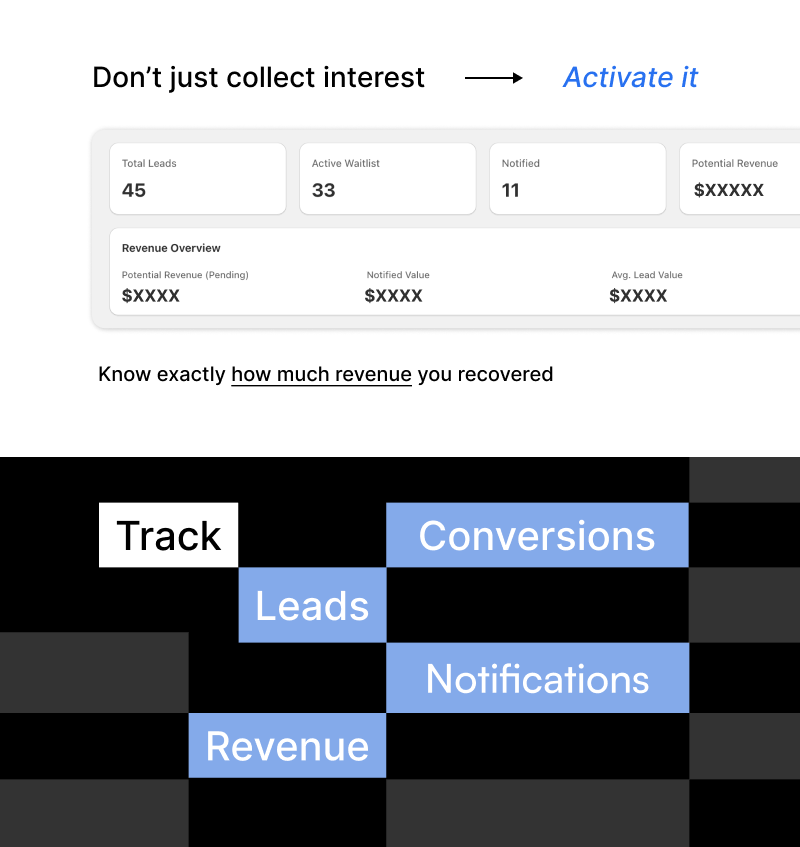
Where most D2C funnels quietly break
A typical funnel looks neat on dashboards:
Traffic → PDP (Product Detail Page) → Add to Cart → Checkout → Purchase
But real behaviour is messier:
Users revisit products
They compare variants
They check delivery timelines
They hesitate, pause, come back
And crucially:
They hit friction points where the system isn’t ready for them
That friction could be:
Delivery unavailable to pincode
Variant unavailable
Delayed shipping
At these moments, intent is not low, it is highest.
Yet structurally, most systems do nothing with it.
The gap no one measures…
Let’s quantify this with a realistic snapshot:
Layer | Monthly |
Sessions | 1,20,000 |
PDP (Product Detail Page) views | 45,000 |
High-intent events (checkout attempts, OOS (Out of stock), delivery checks) | ~10–15% |
High-intent users | ~5,000 |
Now compare what actually gets captured:
Capture Layer | Users Captured |
Popups / forms | ~2,000–3,000 |
High-intent friction points | ~0 |
This is where retention actually begins
Retention is usually treated as: “How do we bring customers back?”
But there is a more powerful version: “How do we not lose them when they are already ready?”
That requires one shift: Turning friction moments into capture points.
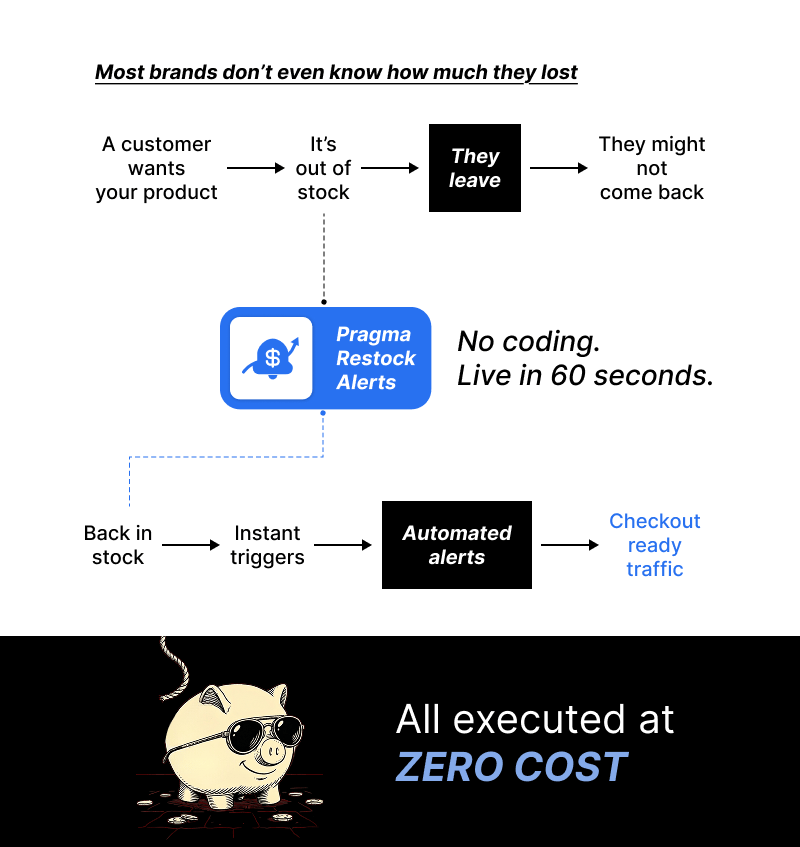
A user lands on a skincare product:
Comes from Instagram ad
Checks ingredients
Scrolls reviews
Goes to the site
Selects variant
Then:
But now the select variant is “Sold out" / “Out of Stock” (OOS)
What happens now? They leave.
You lose them. You don’t even know they existed.
For most brands, this entire segment is invisible.
If 10–15% of PDP traffic hits OOS states, and even 8–10% of them would have converted, the math becomes uncomfortable very quickly.
What should happen?
You capture:
who they are
what they wanted
when they wanted it
That is not just a lead. That is stored demand.
We’ve seen this pattern before
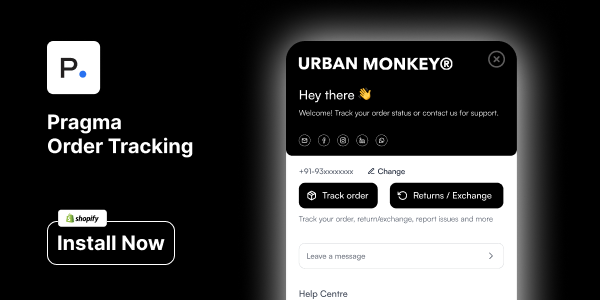
Earlier, we built a free tracking layer.
On paper: Order Tracking App at its core (Branded order tracking, auto-login, multi-carrier, split shipments, review collection & upsells.)
In practice: post-purchase engagement + revenue
It worked because it took a passive moment and made it actionable.
Now we applied the same thinking before purchase
The bigger gap was always here: What happens when a user wants to buy… but can’t?
That is where most funnels simply end.
And that is exactly where the new layer comes in.
From friction → captured intent → retained user
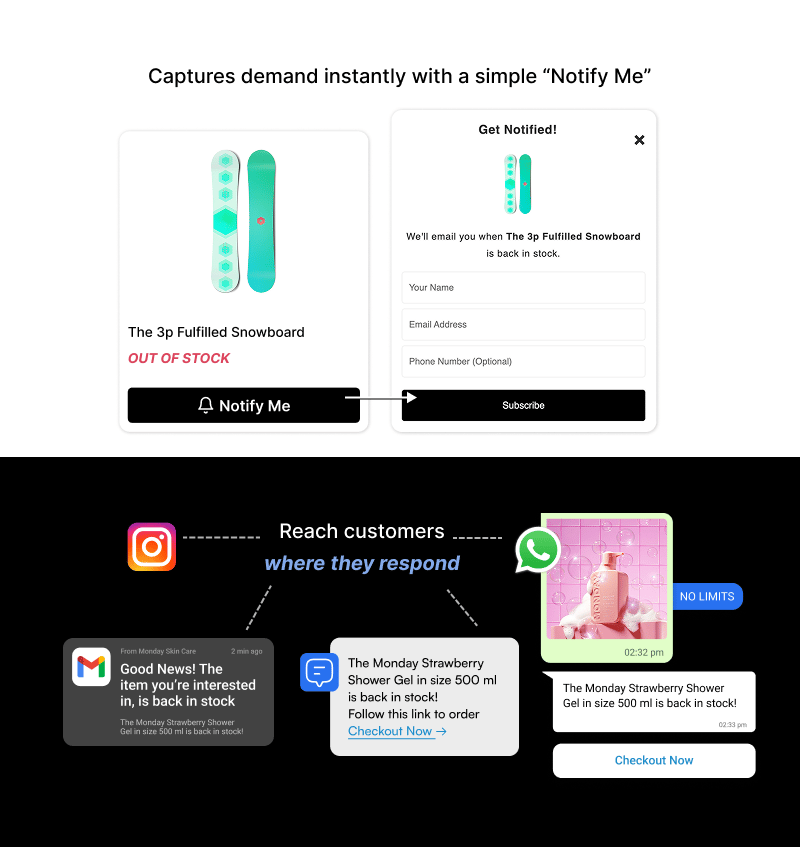
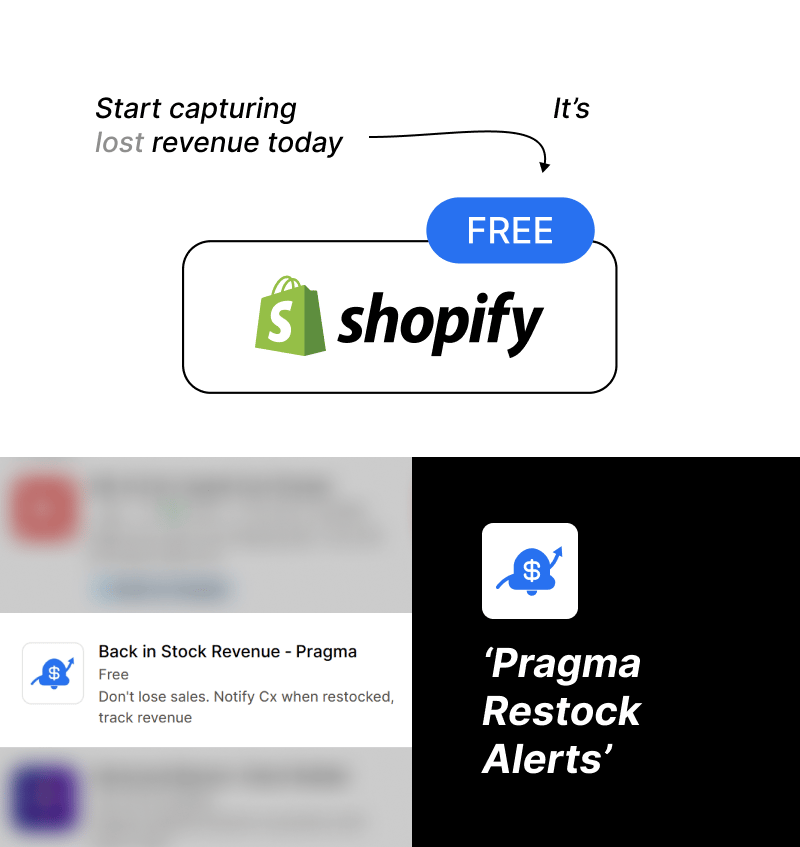
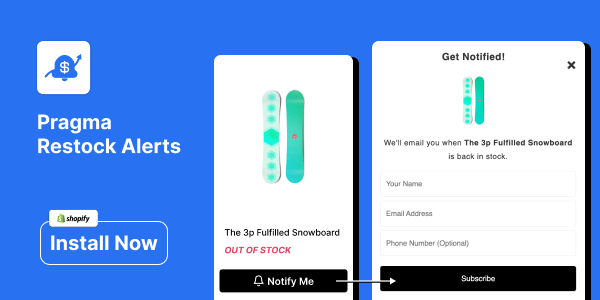
The new free app is built around a simple idea:
Not just for out-of-stock. But for any high-intent interruption.
2. Pincode / Delivery Friction
This is uniquely Indian, and massively under-instrumented.
A user checks delivery timelines:
“Delivery in 6–8 days”
“Not serviceable”
“Prepaid only”
These are not exploratory actions. They happen late in the journey, often right before conversion.
But what happens when delivery doesn’t meet expectations?
The session ends.
What could have been done:
Capture pincode-linked intent
Re-engage when faster lanes open
Trigger region-specific restock or logistics alerts
Instead, the system treats it as a bounce.
3. Payment Method Friction (COD / Prepaid)
A large share of Indian D2C demand is still tied to payment preference.
When a user reaches checkout and sees:
COD unavailable
Additional prepaid discount complexity
Payment failures
They don’t always switch behaviour. They exit.
From a system perspective:
This is counted as checkout drop-off
Retargeting is generic
Context is lost
But in reality: This is a user with confirmed purchase intent, blocked by a single constraint.
Capturing this moment allows:
COD waitlists
Payment recovery flows with context
Segment-specific nudges
Without capture, it becomes indistinguishable from low-intent abandonment.
This is more subtle than OOS, but often more damaging.
The product exists. The user wants it. But:
Their size is unavailable
Preferred colour is missing
Bundle configuration doesn’t match
Unlike full OOS, this feels like a partial failure, which makes it easier to ignore.
But behaviourally, it leads to the same outcome: Exit without trace.
And again, the system misses:
Product-level preference
Variant-level demand
Conversion-ready users
5. Shipping Time & Occasion Mismatch
A pattern that shows up strongly in India:
Festive buying windows
Gifting deadlines
Event-based purchases
A user wants the product, but:
Delivery doesn’t meet timeline
Dispatch is delayed
Estimated arrival misses the use case
This is not rejection of the product. It is rejection of timing.
Without capture:
The user is lost permanently
There is no follow-up when timelines improve
With capture:
You convert “not now” into “later, with intent intact”
What all of this actually represents
If you combine these layers:
Friction Type | % of PDP Users (Typical) |
OOS / Variant gaps | 5–10% |
Delivery / pincode | 3–6% |
Payment friction | 2–4% |
Timing mismatch | 1–3% |
Across a 50,000 PDP base:
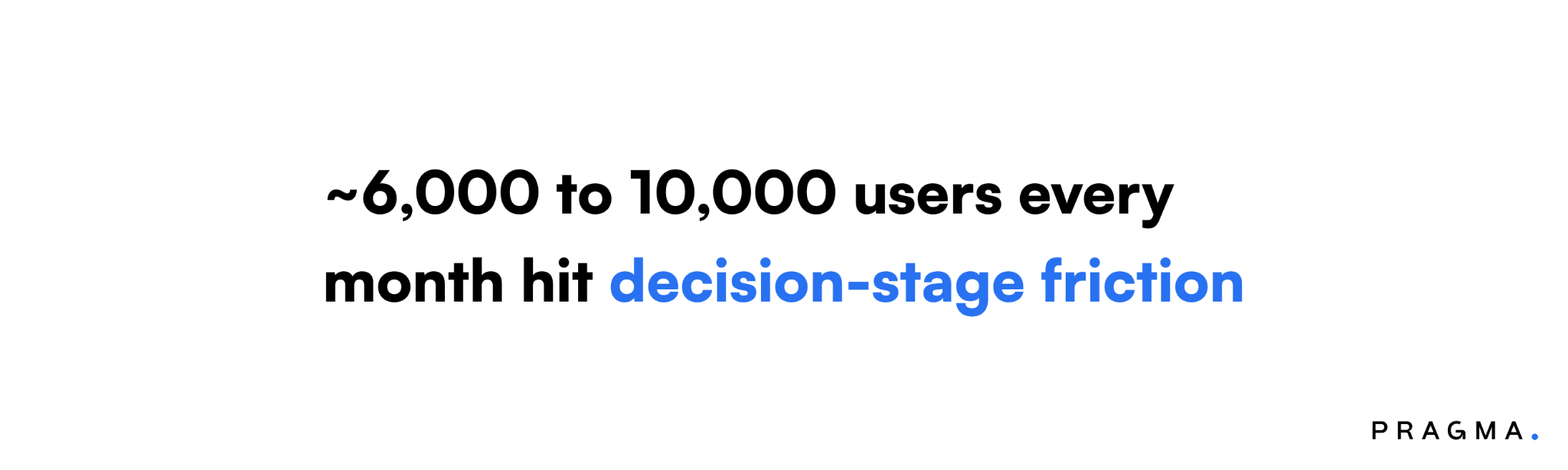
These are not top-funnel users. These are users closest to purchase.
And most brands capture: ~0% of them
What changes in practice…
Without capture | With capture | |
High-intent users | Lost | Stored |
Conversion | Missed | Delayed, but recovered |
Attribution | Broken | Visible |
Retention start point | Post-purchase | Pre-purchase |
Putting it together
Acquisition brings users in
Checkout converts
Tracking retains after purchase
But there has always been a missing layer: Capturing users when they are ready… but blocked
Fix that, and something subtle changes: You stop chasing more leads.
And start losing fewer of the best ones.
That’s the end of our talk on “Lead generation is your problem”...
☕ See you on the next coffee date!


How did you like our Newsletter? What topic would you like us to cover next?
Reply and let us know! 😊